About Jen / Jenny / Jennifer (Otis) Miller
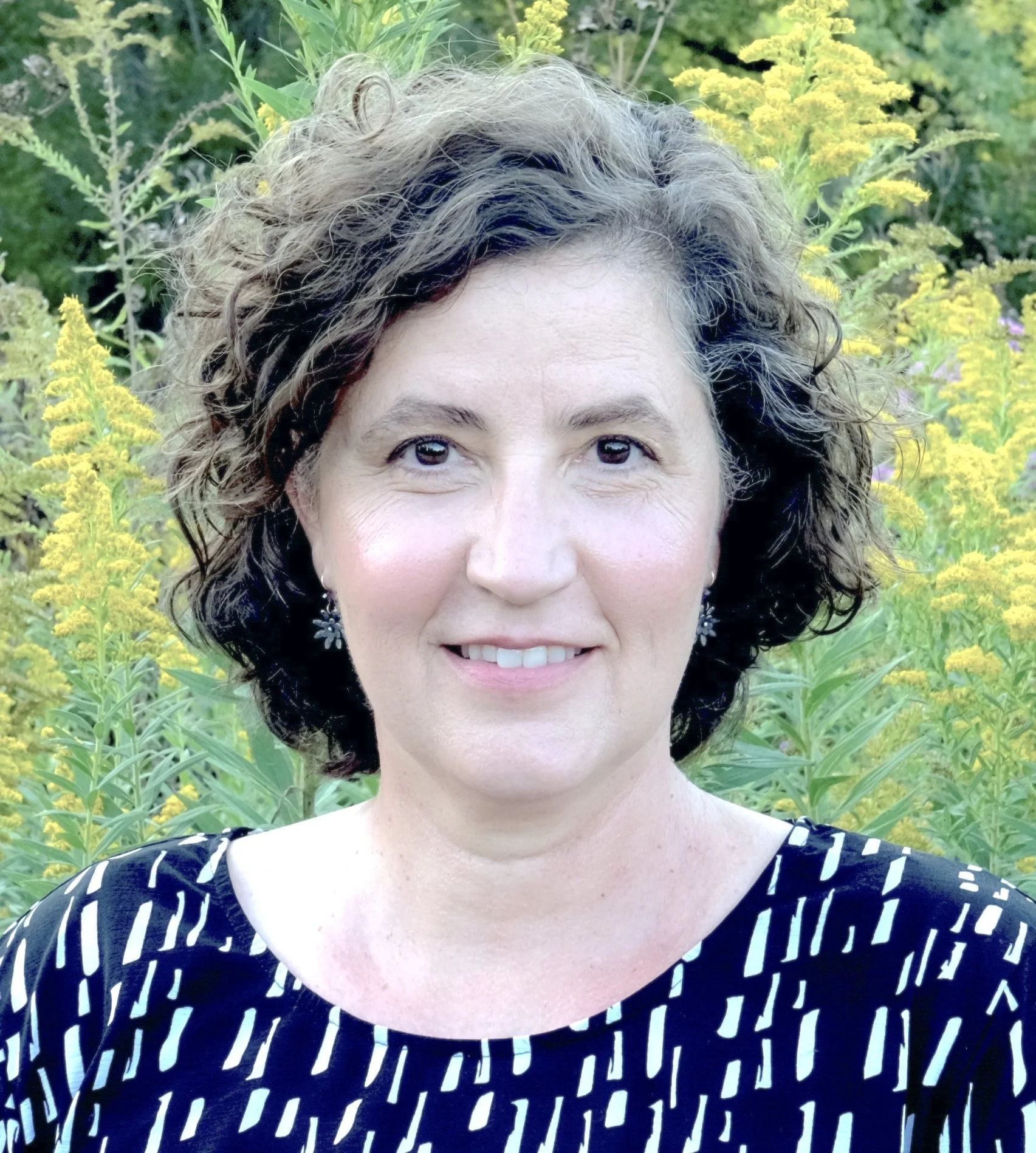
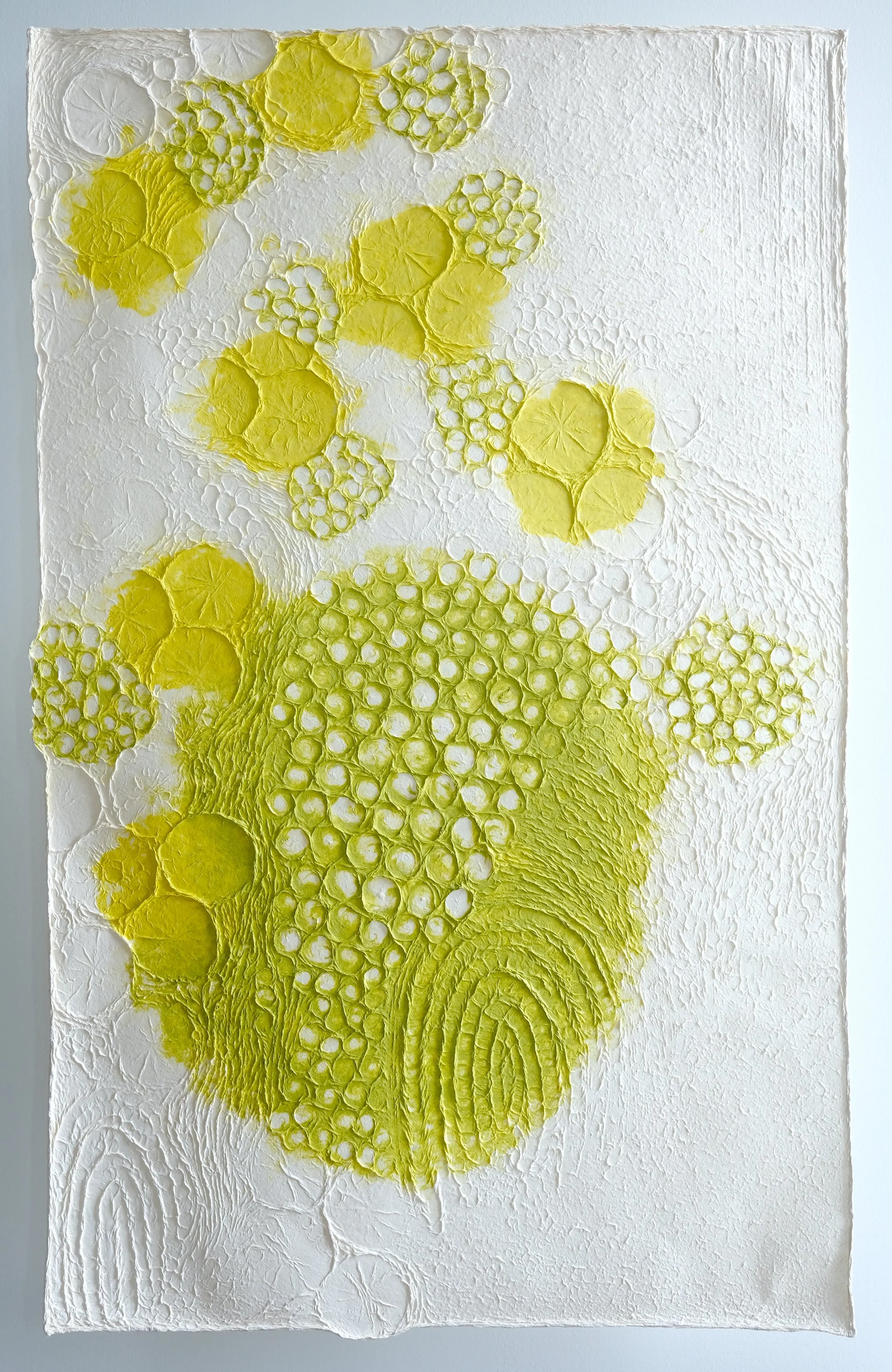
Jen Miller (she/her) is currently establishing her own papermaking studio at Mainframe Studios #461, located in Downtown Des Moines, Iowa. She uses a Hollander beater to create paper pulp from plant fibers (flax, abaca, hemp, etc…) and natural fabrics (denim, linen, cotton, etc…) into paper pulp. In the studio, there is no direct water source and no floor drain, two limiting factors that have made her papermaking process more intentional about water use than ever before. Gone are the days of free flowing water, as was the case when she learned papermaking in the studios at the University of Iowa Center for the Book.
Water is a material collaborator in the process of making pulp and making paper by hand. Additionally, H2O in Iowa is a recurring theme in her studio work. In 1999, she created an installation in Eve Drewelowe Gallery (University of Iowa), titled “wetlands” which included 365 glazed bowls filled with water, wetland plants, and slip from Iowa Clay on the floor.
Jen earned her MFA in Ceramics from the University of Iowa (2000) and worked primarily in the field of ceramics when she lived in the Twin Cities (MN). In 2011, she sold her kiln, left the Northrup King studio, and moved to Ethiopia with her husband where they taught English and provided training during their 3.5 years of Peace Corps service. They lived a life of traveling, teaching, and learning new cultures until 2018 when they returned to Jen’s home town of Iowa City. There, Jen started a PhD program in the College of Education, studying English as the language of instruction in the context of higher eduction in Myanmar and Ethiopia. However, the doctoral program was not perfect fit and she stepped away in 2022, transferring to her first love of pursuing a more creative and artistic career path.
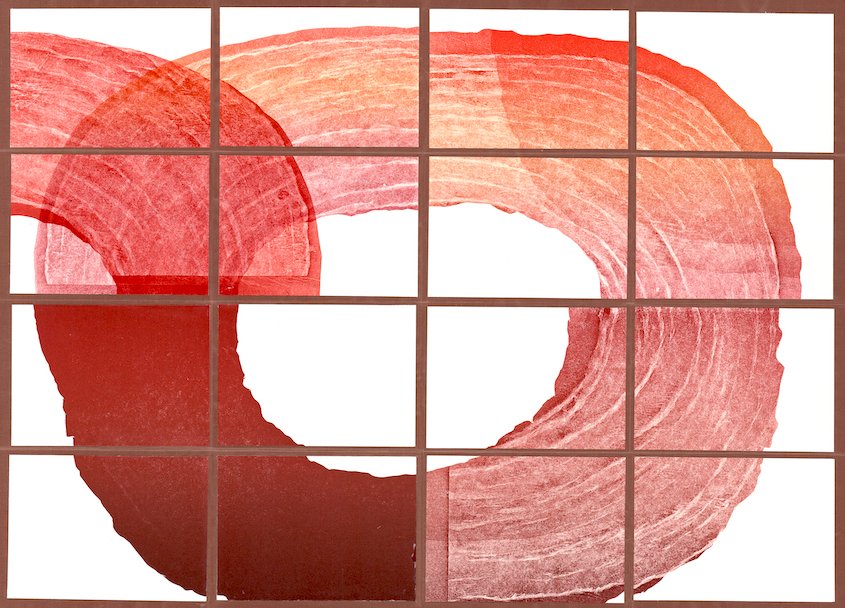
In 2025, Jen completed the MFA program at the University of Iowa Center for the Book, graduating with distinction. Her thesis project titled “What We Have Left” included a letterpress printed alphabet book titled “Kinder Inquiries” (variable edition of 30). She also created paper drawings, pulp paintings, and sectional maps for her thesis.
This website serves as a digital platform to share Jen’s current artistic projects and creative research. As time passes, this will also become an archive for her previous projects.
Please feel free to contact Jennifer if you want to discuss workshops, exhibitions, purchasing, or commissioning work. Jen is open to collaborations across disciplines.